Open Source Computational Tools
Open-source software we build and maintain for cancer genomics and computational immunology.
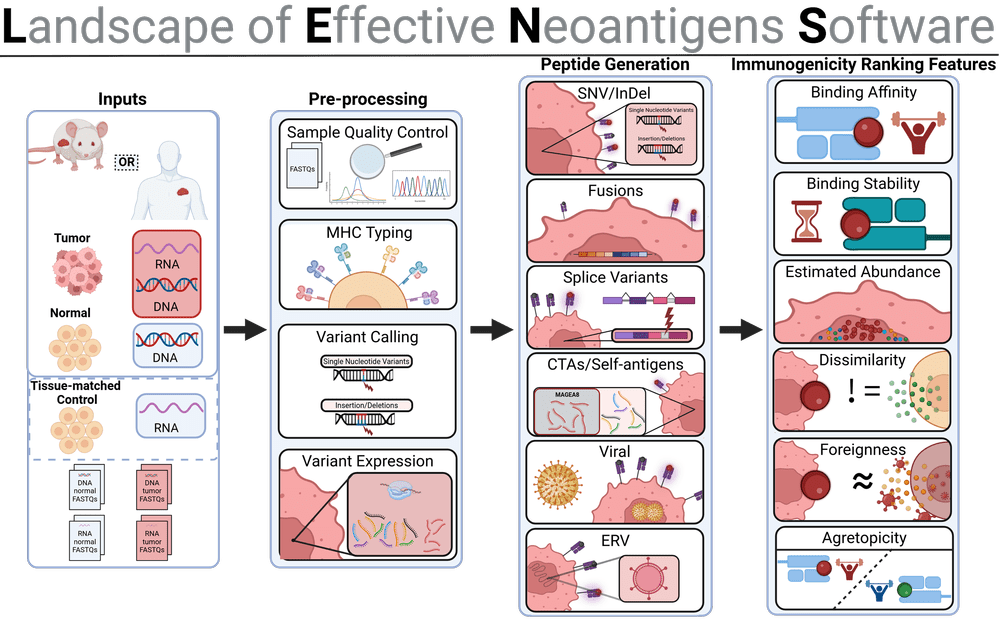
LENS
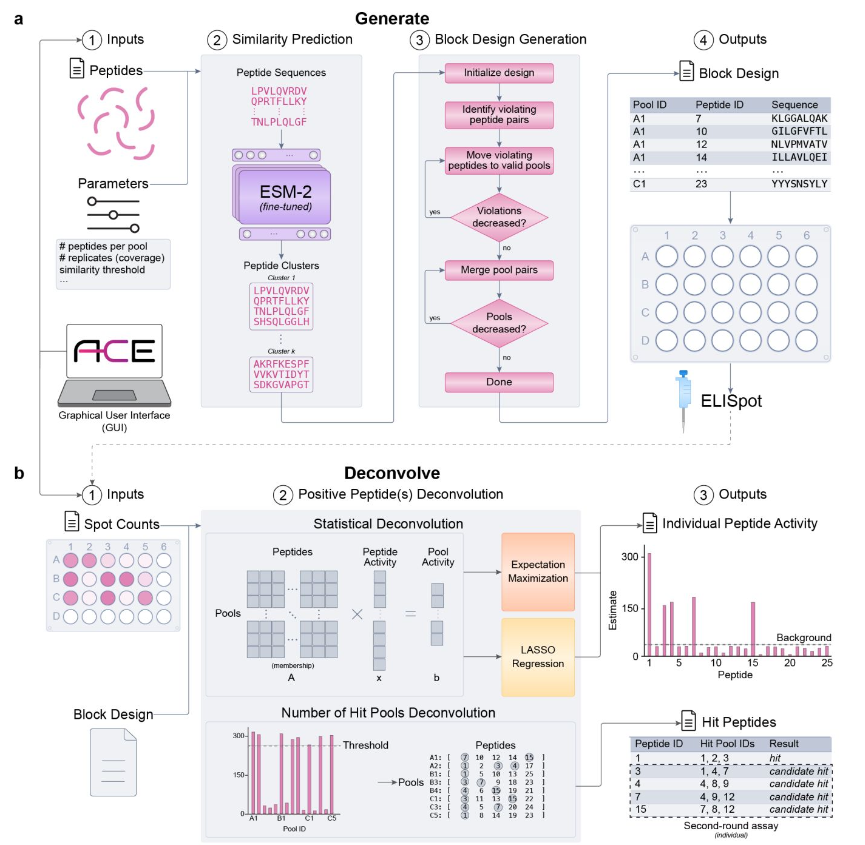
ACE
MHCgnomes
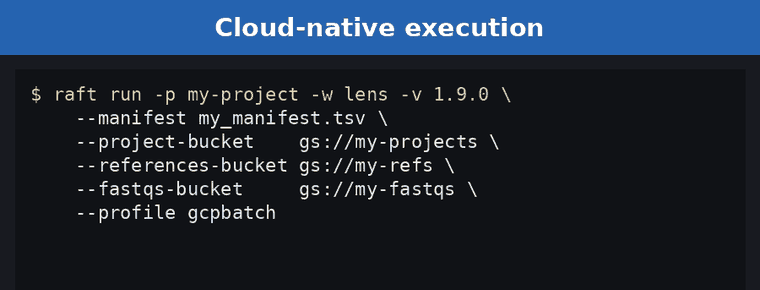
RAFT
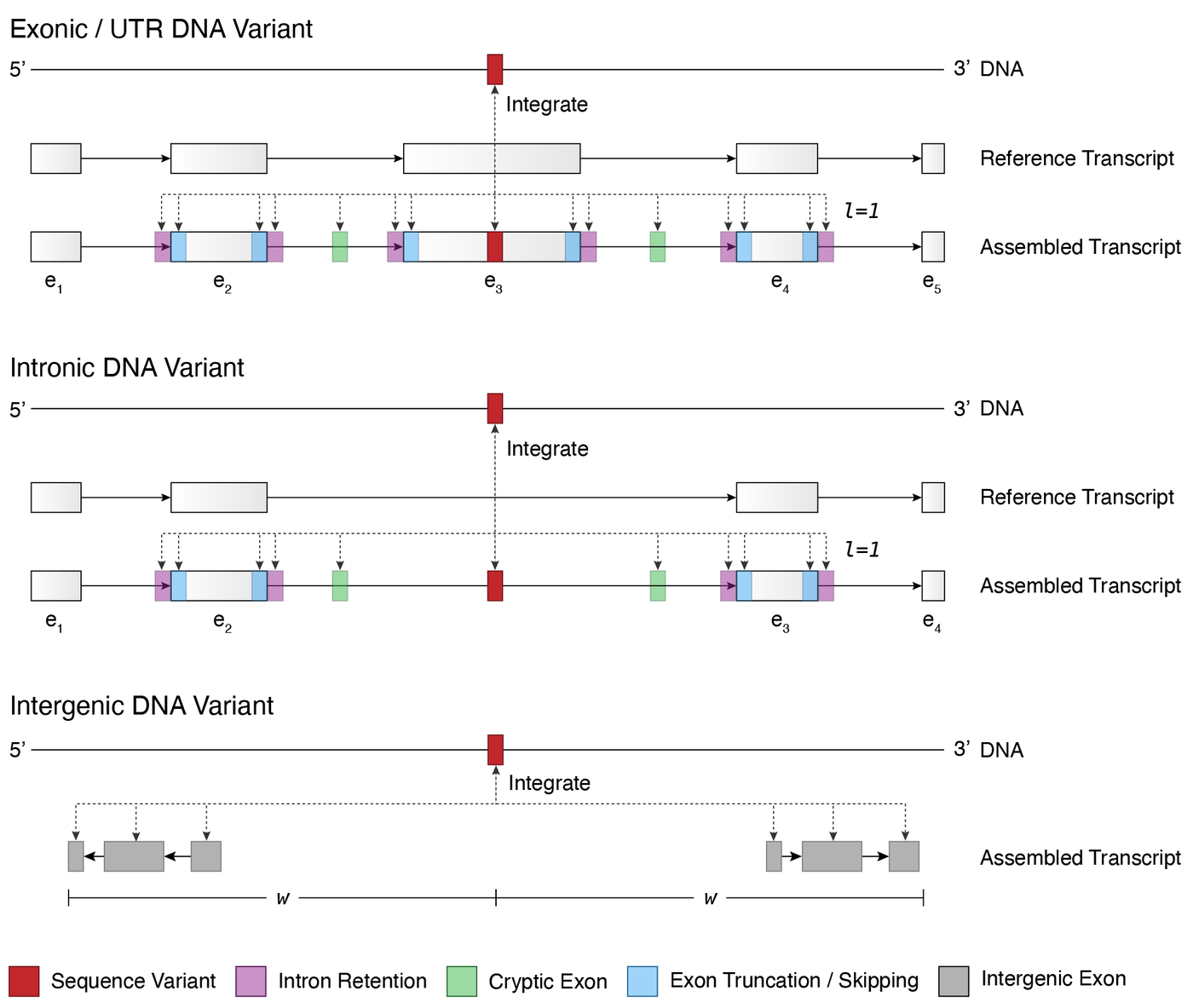
Exacto
More PIRL tools
Antigens and T-cell recognition
- Presto
- Predicts peptide-MHC binding, antigen presentation and T-cell recognition with a single unified model.
- Tsarina
- Selects shared cancer immunotherapy targets, such as cancer-testis antigens, viral antigens and recurrent mutations, for one patient or a population HLA panel.
- Hitlist
- A curated store of MHC ligand, T-cell, mass spectrometry and expression evidence, traceable to its sources, for training immunology models.
- WEIRDO
- Scores how foreign a peptide looks to the immune system by predicting which kinds of organisms have proteins that contain it.
- Golfy
- Designs pooled peptide experiments, such as combinatorial ELISpot epitope mapping, and deconvolves the results to identify the responding peptides.
Tumor RNA and variants
- pirlygenes
- Curated cancer gene sets and reference expression data that serve as the data layer for tumor RNA-seq analysis.
- trufflepig
- Analyzes tumor RNA-seq samples with the pirlygenes gene sets and produces plots and reports, from the command line or a web interface.
- VSTOL
- Converts small and structural DNA variants from VCF files into a standard table format, then annotates, compares and merges variant lists.
Workflows and computing
- Nexus
- A command-line tool for running bioinformatics workflows written in Nextflow.
- RAFT UI
- Browser-based tools for creating RAFT manifests and configuration files and for viewing RAFT and LENS results.
- Squid-TUI
- A terminal dashboard for monitoring, organizing and cancelling Slurm jobs on a compute cluster.
- runplz
- A lightweight, Modal-style harness that runs a decorated Python function as a job on several compute backends.
Everything else is on github.com/pirl-unc.
OpenVax
PIRL maintains the OpenVax tools for cancer immunogenomics and neoantigen vaccine design, including MHCgnomes above.
MHC binding and alleles
- MHCflurry
- Predicts which peptides MHC class I molecules are likely to display, scoring binding affinity, antigen processing and overall presentation.
- mhctools
- One Python interface for running MHC binding, presentation and immunogenicity predictors such as NetMHCpan and MHCflurry.
- mhcseqs
- Returns the curated protein sequence for an MHC allele name, split into signal peptide, peptide-binding groove and other structural domains.
Variants, RNA and gene annotation
- Varcode
- Predicts how genomic variants from VCF or MAF files change genes, transcripts and proteins, including the resulting mutant protein sequence.
- Isovar
- Assembles tumor RNA-seq reads around each somatic mutation to find the mutant protein sequence the tumor actually expresses.
- varlens
- Command-line tools that combine, annotate and filter variants and pull supporting read evidence from BAM files into tables.
- PyEnsembl
- Looks up genes, transcripts, exons and their sequences in a pinned Ensembl release or your own annotation files, with queries run locally.
- gtfparse
- Reads GTF gene annotation files, such as those from Ensembl and GENCODE, into pandas tables and writes them back out.
Vaccine design
- Vaxrank
- Selects and ranks mutated protein fragments for personalized therapeutic cancer vaccines from somatic variants, tumor RNA and the patient's HLA alleles.
- Topiary
- Predicts which peptides from mutations or other antigen sources a patient's MHC molecules will present, then filters and ranks them.
- Neoantigen vaccine pipeline
- The public version of the pipeline used to select patient-specific neoantigen vaccines in two phase I clinical trials.
Reference data
- oncoref
- Curated cancer reference data, including cancer-type ontology, tumor mutational burden, incidence, immunotherapy response and tissue expression, behind one Python API.
- DataCache
- Downloads a dataset once, verifies it and reuses the local copy, serving as the download layer for PyEnsembl and other OpenVax tools.